Rome Visual Timeline Walk - Ancient to Modern Layered Route
Use this timeline-based walk to connect Rome's ancient monuments with later architectural and urban transformations.
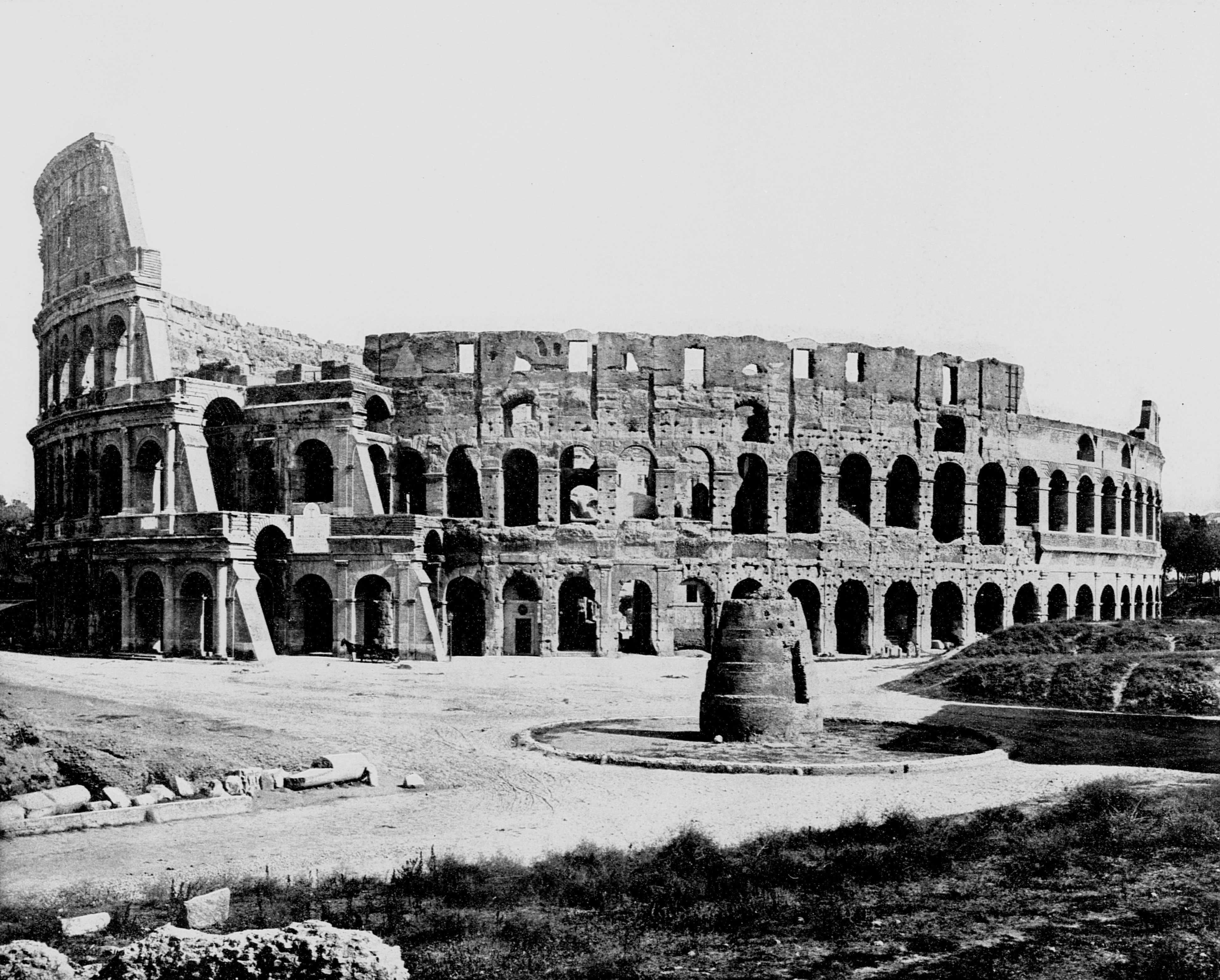
Rome rewards travelers who notice layers, not eras. The city is less a museum and more a palimpsest.
Timeline walk method
- Identify one ancient anchor
- Find one Renaissance or Baroque intervention nearby
- Note one modern adaptation in use today
Observation table
| Layer | Question |
|---|---|
| Ancient | What survives materially? |
| Early modern | What was reinterpreted? |
| Contemporary | How is the space used now? |
End-of-walk synthesis
Write one sentence beginning with:
Rome feels continuous because...
Pair this with Rome Card attraction days for a deeper, connected understanding of the city.
Building continuity across eras
When you connect one ancient remnant to one modern use-case, Rome stops feeling like disconnected highlights. The city reads as a continuous negotiation between preservation and adaptation.
End-of-route synthesis prompts
- What changed function but kept form?
- What changed form but kept meaning?
- What feels surprisingly current?
These questions turn a walk into interpretation. You leave with a framework, not just a list of places.
著者について

Rome Travel Desk
このガイドは、ローマを“圧倒される街”ではなく“刺激を受ける街”として体験したい旅行者に向けて書かれています。目的は明快です。Rome Tourist Card を賢く使い、よくある計画ミスを避け、自信と文脈理解、そして純粋な好奇心を持って街を味わっていただくこと。
Tags
Comments (0)
Loading comments...