Rome Card 48-Hour Itinerary - Efficient Route and Timing
Use this realistic two-day Rome Card route to see major landmarks, reduce queues, and keep enough energy for evenings.
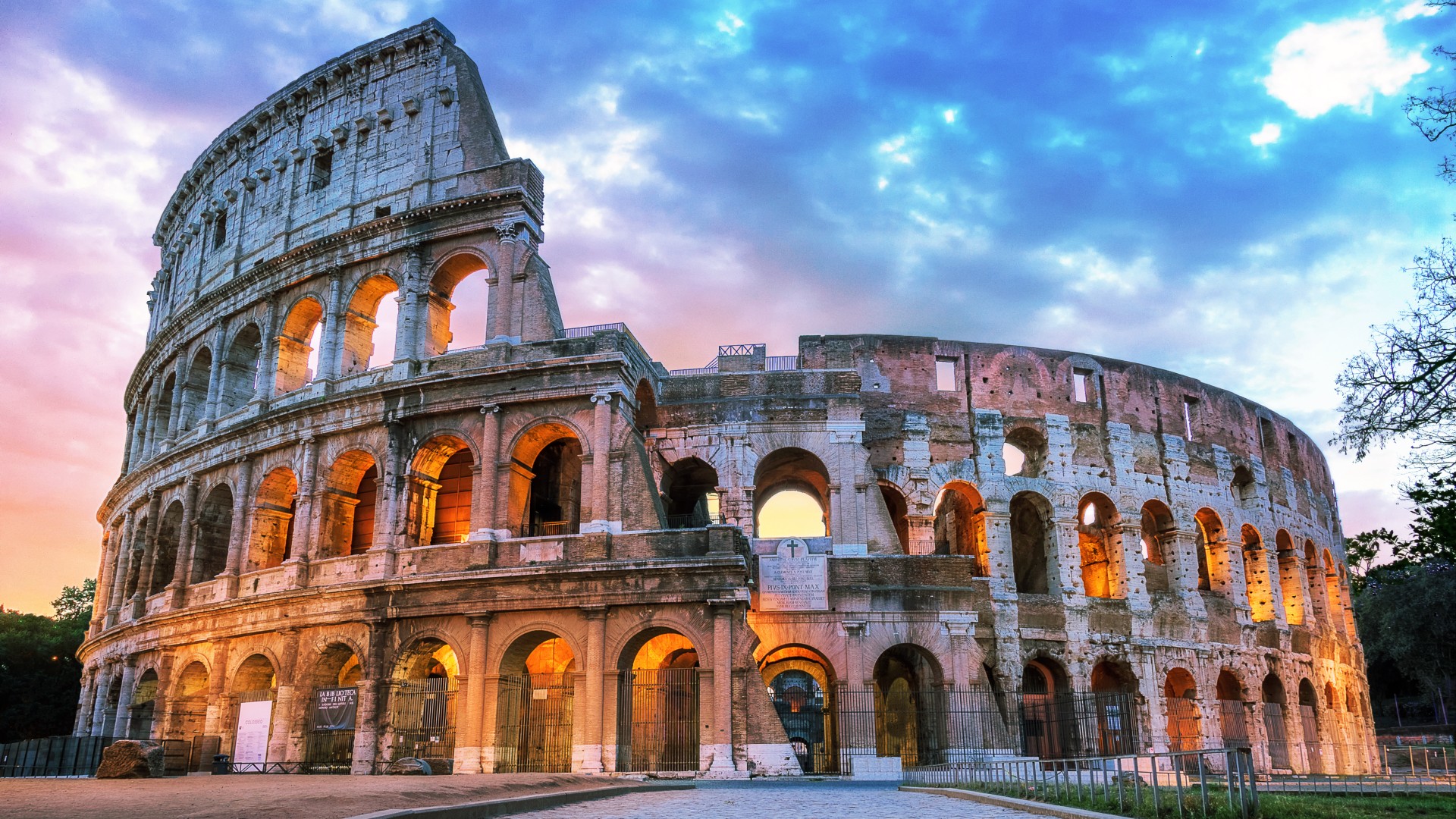
There is a version of Rome that feels rushed and chaotic, and another version that feels cinematic and spacious. The difference is timing.
Day 1 — Ancient gravity
Morning opens with the Colosseum district, when your attention is sharp and your legs are fresh. The stones seem quiet before tour groups swell.
Suggested flow
- Colosseum area entry slot
- Roman Forum and viewpoints
- Late lunch near Monti
- Vittoriano terrace at golden hour
Day 2 — Domes, fountains, and a soft finish
Begin with the Pantheon side streets, then drift toward Trevi before afternoon peak. Keep sunset for St Peter Square or a riverside walk.
Travel truth: You remember transitions as much as monuments.
Energy budgeting table
| Time block | Intensity | Notes |
|---|---|---|
| 08:30-11:30 | High | Timed entries, focused walking |
| 12:00-15:00 | Medium | Lunch + shaded streets |
| 16:00-19:00 | Low/Medium | Scenic areas, photo windows |
Mini packing list
- Refillable bottle
- Light scarf for church etiquette
- External battery
- Offline tickets/screenshots
The Rome Card pays off fastest when you front-load premium entries and leave room for serendipity later.
How this route feels in real life
By late day one, you will probably feel that familiar split between satisfaction and fatigue. That is normal. The goal of this itinerary is not to eliminate tiredness, but to spend energy on the moments that deserve it: ancient stone at morning light, a panoramic terrace before dinner, and unhurried transitions in between.
Recovery rhythm between stops
Use a simple loop after every major attraction:
- Sit for five minutes
- Hydrate before walking again
- Preview the next ten minutes only
When you reduce decision scope, Rome becomes easier to enjoy. Two days can still feel spacious when each block has a clear purpose.
Om författaren

Rome Travel Desk
Den här guiden är skriven för resenärer som vill att Rom ska kännas inspirerande, inte överväldigande. Målet är enkelt: hjälpa dig använda Rome Tourist Card klokt, undvika vanliga planeringsmisstag och uppleva staden med trygghet, sammanhang och äkta nyfikenhet.
Tags
Comments (0)
Loading comments...